
Discover books by Kim Bell on Amazon:
Jeff Bezos, Amazon Founder, entrepreneur and owner of the Washington Post, talks to David Rubenstein about his background, how he came up with the idea for Amazon, building the company, some of the key businesses including Prime and Whole Foods, the space race and philanthropy. The world’s richest man says his most important decisions are made not with quantitative analysis but “with instinct, intuition, taste, heart.”

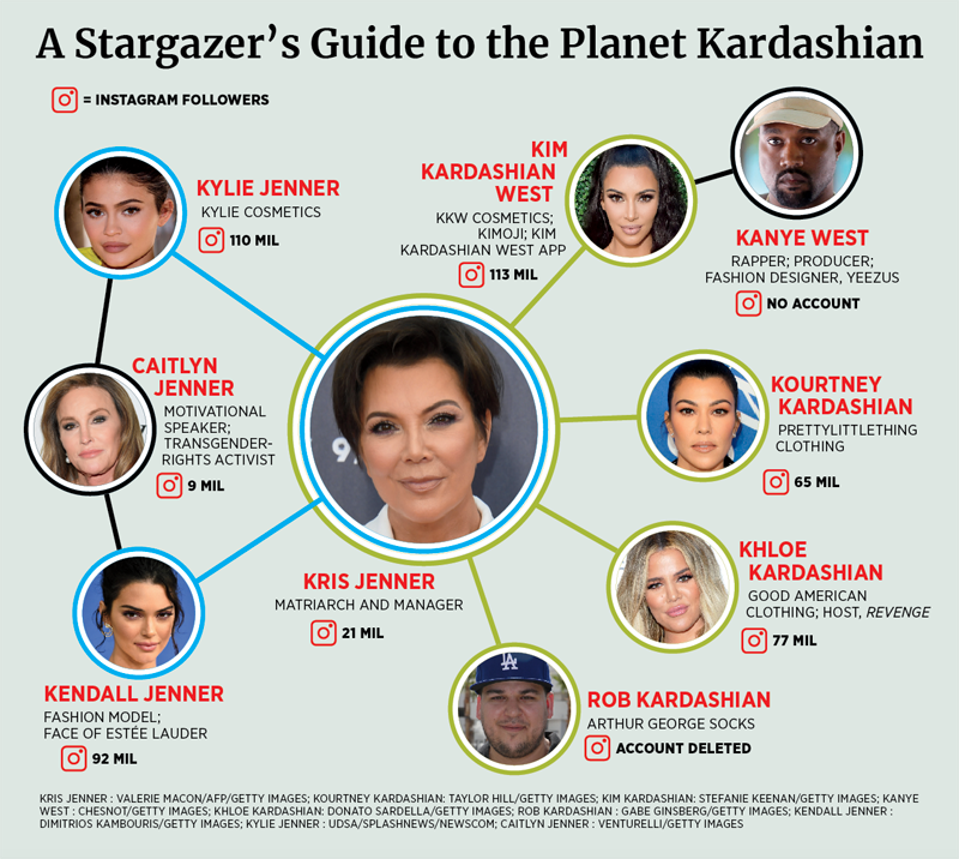
Just 20 when this story publishes (she’ll turn 21 in August) and an extremely young mother (she had baby daughter Stormi in February), Jenner runs one of the hottest makeup companies ever. Kylie Cosmetics launched two years ago with a $29 “lip kit” consisting of a matching set of lipstick and lip liner, and has sold more than $630 million worth of makeup since, including an estimated $330 million in 2017. Even using a conservative multiple, and applying our standard 20% discount, Forbes values her company, which has since added other cosmetics like eye shadow and concealer, at nearly $800 million. Jenner owns 100% of it.
source: Forbes


Floyd Mayweather earned over $210 million for fighting Manny Pacquiao on May 2nd at the MGM Grand in Las Vegas, NV.
Farrakhan Message to Floyd “Money” Mayweather: Read More
Arianna Alexander worked hard to graduate as a valedictorian with a 5.1 grade point average from Kenwood Academy. She additionally put a lot of effort into raking in over $3 million in scholarships. Now, she can go to college free from financial worries.
Congrats Arrianna! Keep up the Good Work!
source: FinancialJuneTeenth
The final episode of a four-part documentary series chronicling the life of perennial pound-for-pound champion Floyd Mayweather following his 12-round unanimous decision victory over Manny Pacquiao.
source: Forbes

Tidal, the high-definition music streaming service acquired by rapper and music mogul Jay-Z, is gearing up for its official relaunch under new ownership today, and it will be doing so by reportedly making a move to snag new releases by some of the biggest musicians of the moment including Kanye West, Madonna and Daft Punk, ahead of rival services like Spotify and Beats.
The company has been sending out invites for a press conference being held at 5pm Eastern time today, in which Shawn “Jay-Z” Carter “will announce a commitment to a new direction for the music industry from both a creative and business perspective.” While there is not much detail being provided officially, unofficially we’ve heard that the company will be using the event to confirm the first big-name artists to stream music exclusively on the Tidal platform.
What might those artists be doing on Tidal? Not an ordinary streaming deal, it seems. Over the weekend, the Swedish blog Breakit reported — citing sources close to the deal — that Tidal’s plan of attack will be to ink first-window deals with the artists, where Tidal would get first releases of tracks from big-name artists ahead of any other digital streaming services. This would be exclusive, but only for a period: Spotify, Deezer and others would eventually also get these tracks, but only later.
It would also follow on the heels of Taylor Swift’s catalog coming to Tidal last week — minus her 1989 album. This is not an exclusive deal but lays the groundwork for other Swift music to make its way to Tidal first.
What’s the pull for these artists? It’s partly the Jay-Z connection. His Roc Nation agency works with a long list of musicians to provide publishing, management, label and other services, with Tidal becoming yet another string on Roc Nation’s bow as a one-stop music distribution shop.
On the other hand, from what we understand, Tidal is also offering a more attractive set of terms to musicians than other streaming services — often agreeing to payouts of twice as much as its rivals.
With many artists complaining that digital music is not providing decent enough returns, the later of these could be a deal maker for Tidal. The big question is whether artists are willing to make the bet on payouts-per-stream over that of visibility: right now Tidal has only 35,000 subscribers paying $19.99 per month across the markets in which it is active, which include the U.S. and UK. By comparison, Spotify noted 15 million paying subscribers in January of this year. Tidal also offers a standard definition service at $9.99.
source: Techcrunch
Meet Nick Walter, a programmer who’s made more than $100,000 teaching courses online.
source: Time
source: Forbes
 GWOP MAGAZINE