Modern life has turned millions of people into passive consumers. Endless scrolling, binge watching, short-form dopamine hits, and algorithm addiction are slowly replacing deep thinking, creativity, and real-world skills.
The brain works like a muscle. If you don’t challenge it, it weakens.
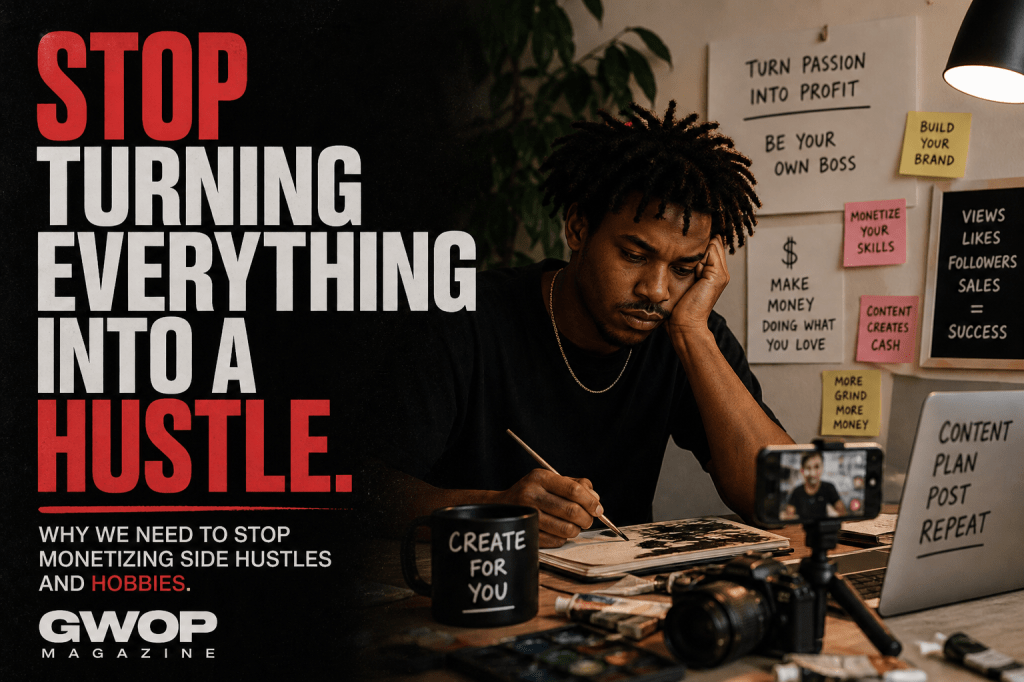
You played basketball because you loved the sound of the net snapping. You painted because colors made you feel something words couldn’t. You made music because it was therapy, not strategy. But somewhere along the way, that purity got hijacked by a question that now follows every passion like a shadow:
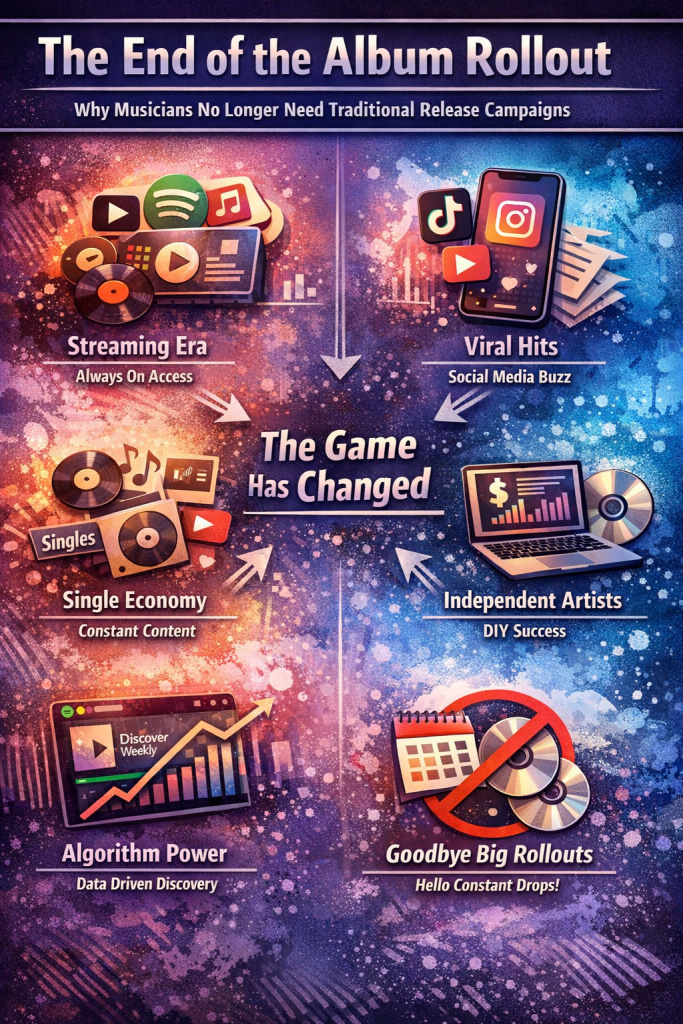
For decades, the music industry revolved around the carefully orchestrated album rollout. Labels spent months planning promotional campaigns—releasing lead singles to radio, scheduling interviews, premiering music videos on television networks, and organizing press tours. These rollouts were designed to build anticipation and concentrate public attention around the album release date. However, in the modern digital ecosystem, album rollouts have become far less important to a musician’s success. The shift toward streaming platforms, algorithm-driven discovery, social media virality, and creator independence has fundamentally transformed how audiences find and consume music.
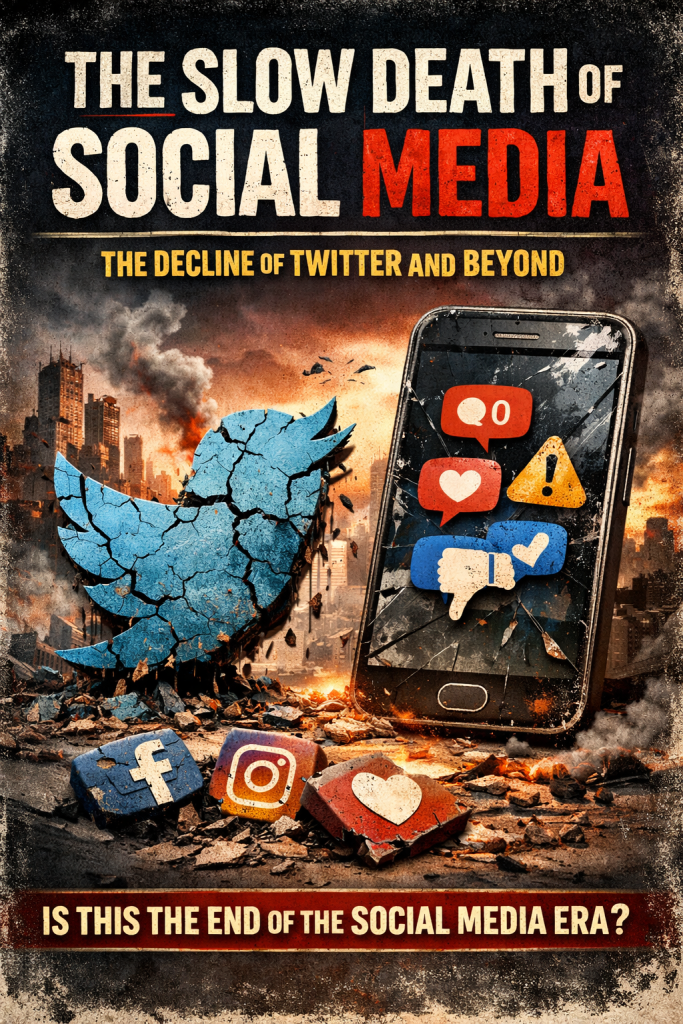
In the digital age, we’ve long treated social media as an immortal force—a constant hum in the background of our lives, shaping opinions, sparking revolutions, and occasionally ruining reputations. But as we sit here in early 2026, the cracks are impossible to ignore. Usage is plateauing, engagement is waning, and users are fleeing in droves for quieter, more intentional corners of the internet. Social media isn’t just evolving; it’s dying a slow, algorithmic death. And at the epicenter of this collapse is X, the platform formerly known as Twitter, which we predict will be functionally irrelevant—or outright defunct—within the next few years. This isn’t hyperbole; it’s a culmination of fatigue, mismanagement, and a cultural shift away from the endless scroll.
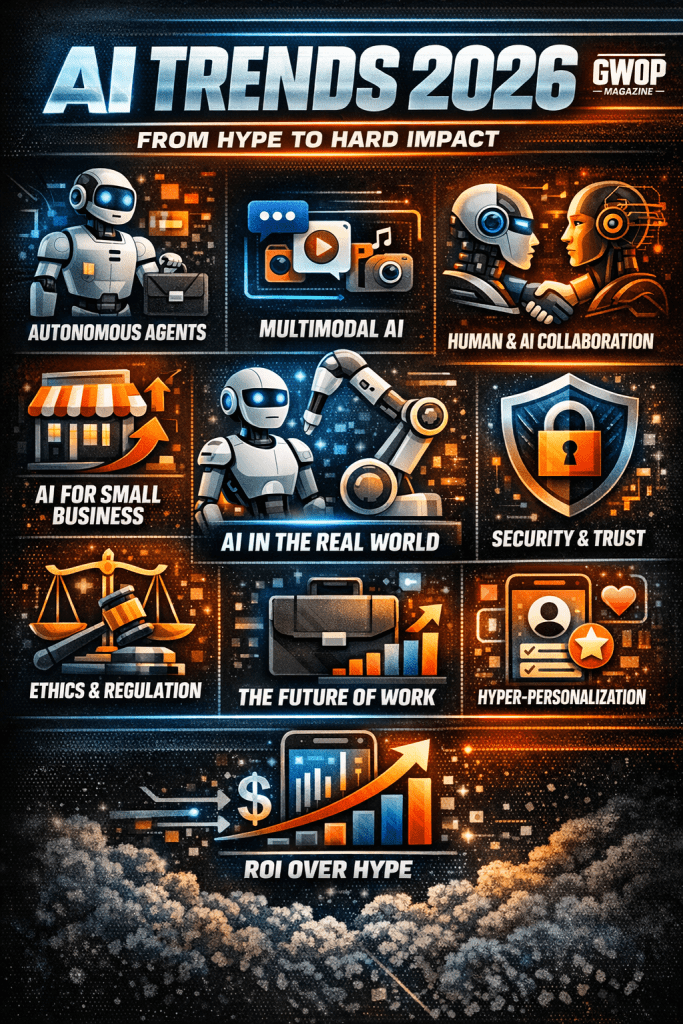
Here’s a Gwop Magazine–style deep dive into the AI trends and predictions shaping 2026 — the year artificial intelligence stops being an experiment and starts defining the future of business, work, culture, and everyday life.
Artificial intelligence is no longer just about flashy demos and viral chatbots — 2026 is the year AI becomes embedded, indispensable, and transformative across industries and our daily routines. The focus has shifted from novelty to productivity, integration, and real-world return on investment.
In 2025, the creators winning big aren’t just artists, entrepreneurs, or influencers — they’re builders of AI-powered mini-empires. From generating viral Sora films to scaling digital publishing catalogs, the modern hustler is merging creativity with automation like never before.
In 2025, fake news doesn’t look fake anymore — it sounds real, moves real, and talks like your favorite influencer. But behind that viral clip or “leaked” story might be a deepfake, an AI-generated voice, or a bot-driven narrative made to manipulate your mind and money.
If you’re building a digital brand, investing in crypto, or running an online business — your ability to fact-check AI content is your new superpower.
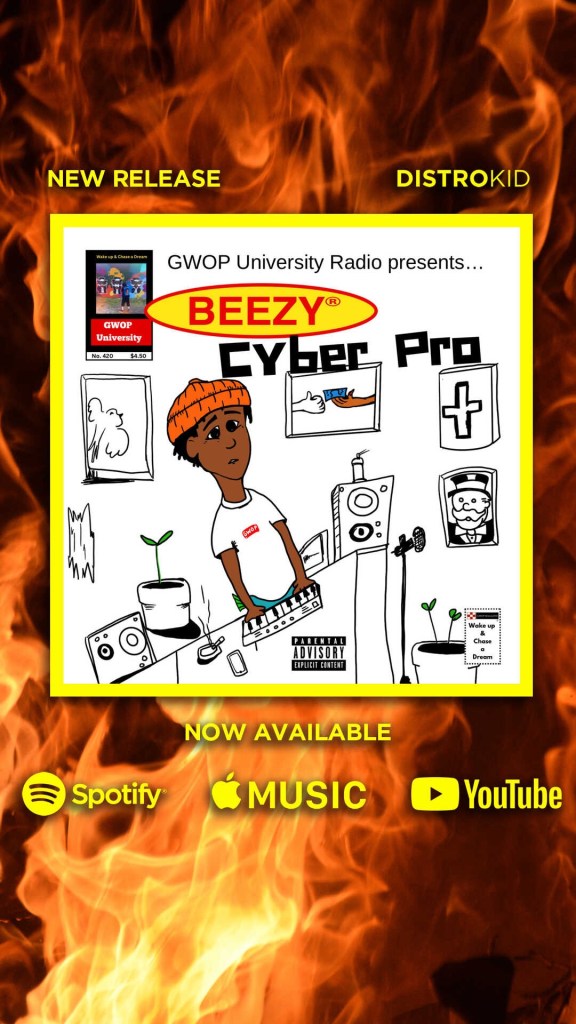
The new generation of hip-hop has gone digital — and BEEZY, the fast-rising prodigy from GWOP University Recordings, is leading the upload. His highly anticipated EP, Cyber Pro, dropped this summer, fusing futuristic beats and street-smart storytelling that redefines what it means to be human in the age of algorithms.
Welcome to the new wave of hustle — where your creativity meets artificial intelligence, and your laptop becomes the plug.
In 2025, AI isn’t just for tech heads or coders — it’s the new money printer for creators, artists, and entrepreneurs who know how to use it. From ChatGPT to Sora to Midjourney, these tools are helping people turn ideas into income faster than ever.
Artificial Intelligence isn’t science fiction anymore—it’s here, it’s learning fast, and it’s already changing the job market. By 2030, AI will have automated millions of tasks across industries, reshaping the way we work and live. Some jobs will disappear, some will transform, and new ones will rise out of the digital dust.
Here’s a breakdown of the jobs most at risk of being replaced by AI in the next few years: