The Jobs AI Will Replace by 2030
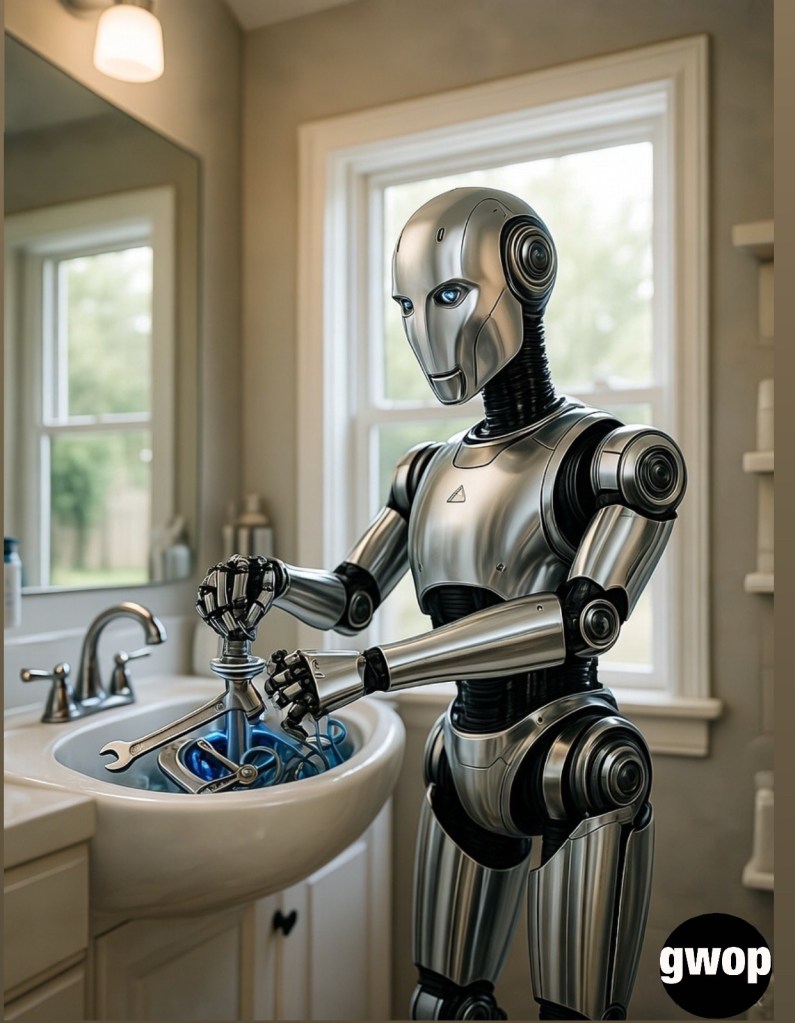
Artificial Intelligence isn’t science fiction anymore—it’s here, it’s learning fast, and it’s already changing the job market. By 2030, AI will have automated millions of tasks across industries, reshaping the way we work and live. Some jobs will disappear, some will transform, and new ones will rise out of the digital dust.
Here’s a breakdown of the jobs most at risk of being replaced by AI in the next few years:
1. Customer Service Representatives
Chatbots and virtual assistants are already handling customer support 24/7. By 2030, AI-powered systems will dominate call centers and online support desks, handling everything from billing questions to tech troubleshooting. Human reps will only be needed for the most complex cases.
Translation: If you’re in customer service, start upgrading your skills—think tech support, management, or AI training.
2. Retail & Cashier Jobs
Self-checkout kiosks and AI-driven cashier-less stores (like Amazon Go) are spreading fast. By 2030, traditional cashier jobs may be almost extinct. AI will also help retailers automate inventory management, pricing, and even personalized shopping experiences.
Hustler tip: The retail game is shifting online and toward AI-driven logistics. E-commerce, branding, and last-mile delivery are where the money will be.
Discover GWOP University brand merchandise on Amazon: https://amzn.to/481PQIU

3. Data Entry Clerks & Admin Assistants
Repetitive paperwork and data entry tasks are exactly what AI is best at. By 2030, most of these roles will be fully automated, as businesses rely on AI to process, organize, and analyze information at lightning speed.
Pivot strategy: Instead of just handling data, learn how to interpret and use it—data analysis, business strategy, or project management will stay valuable.
4. Transportation & Delivery Drivers
Self-driving cars, trucks, and drones are advancing quickly. By the end of the decade, millions of truck drivers, taxi drivers, and delivery workers may be replaced by autonomous vehicles and AI logistics.
What’s next: The future of transportation is in fleet management, AI maintenance, and urban mobility design.
5. Manufacturing & Warehouse Workers
Robots powered by AI are already assembling products, packing boxes, and moving goods in massive warehouses. By 2030, automation will dominate factories, especially for repetitive, labor-intensive tasks.
Opportunity play: Humans will still be needed to oversee, maintain, and improve automation systems. Skilled trades like robotics repair, coding, and machine learning will be in high demand.
6. Basic Journalism & Content Creation
AI can now generate articles like this one you are reading now, social media posts, and even music. By 2030, many entry-level writing, reporting, and content creation jobs will be replaced by automated systems.
Creative advantage: Unique voices, personal storytelling, investigative journalism, and cultural commentary won’t be replaced—because they require human perspective.
7. Accountants & Bookkeepers (Basic Level)
AI can already crunch numbers, detect fraud, and generate financial reports faster than humans. By 2030, most bookkeeping and tax prep jobs will be handled by AI-driven accounting software.
Level up: Financial strategists, wealth advisors, and investment analysts who blend human insight with AI tools will thrive.
Final Word: Adapt or Get Left Behind
AI won’t just take jobs—it will create new ones. By 2030, the winners will be people who learn how to work with AI, not against it. The real hustle is in upgrading skills, staying flexible, and spotting opportunities in emerging industries.
The question isn’t “Will AI replace my job?”—it’s “How can I make AI work for me?”
🔥 GWOP Hustle Tip: Don’t just worry about the future—invest in skills AI can’t replace: creativity, critical thinking, emotional intelligence, leadership, and entrepreneurship. That’s where the money will be.
Discover our social experiment books on Amazon: https://amzn.to/4nr6mHb

 GWOP MAGAZINE