How to Operate a Magazine

Traditional magazines typically operate through a structured process that involves content creation, editorial oversight, advertising, and distribution. Here is a concise summary of how traditional magazines function:
- Content Creation: Writers, photographers, and other contributors create content, including articles, images, and features. Editors oversee the content to ensure it aligns with the magazine’s theme and quality standards.
- Editorial Process: Editors review, edit, and organize the content to create a cohesive and engaging magazine. They may collaborate with writers and designers to refine layouts, headlines, and overall presentation.
- Advertising: Magazines rely heavily on advertising revenue. Sales teams work to secure ad placements within the magazine. Advertisers pay for space, contributing to the magazine’s financial sustainability.
- Design and Layout: Designers work on the visual aspects of the magazine, creating layouts, selecting fonts, and incorporating images to enhance the overall aesthetic. This phase involves collaboration between editorial and design teams.
- Printing: Once the content and design are finalized, the magazine goes to print. Magazines are typically produced in batches and distributed to subscribers, newsstands, and other outlets.
- Distribution: Magazines are distributed through various channels, including mail subscriptions, newsstands, retail stores, and digital platforms. Distribution strategies may vary based on the target audience and the magazine’s niche.
- Subscription Model: Many traditional magazines offer subscription models where readers pay a fee to receive regular issues. Subscriptions provide a steady source of income and help magazines gauge their readership.
- Feedback and Engagement: Magazines often encourage reader feedback through letters to the editor or online platforms. Social media and other engagement strategies help magazines build and maintain a community around their content.
- Periodicity: Magazines are typically published on a regular schedule, such as monthly, bi-monthly, or quarterly. This periodicity helps establish reader expectations and provides a consistent flow of content.
- Digital Presence: While traditional magazines primarily operate in print, many have adapted to the digital age by establishing online platforms. This includes digital versions of the magazine, websites, and social media presence to expand their reach and stay relevant in an increasingly digital landscape.
Understanding these fundamental aspects of how traditional magazines operate provides insights into the intricate process of bringing curated content to a diverse audience.
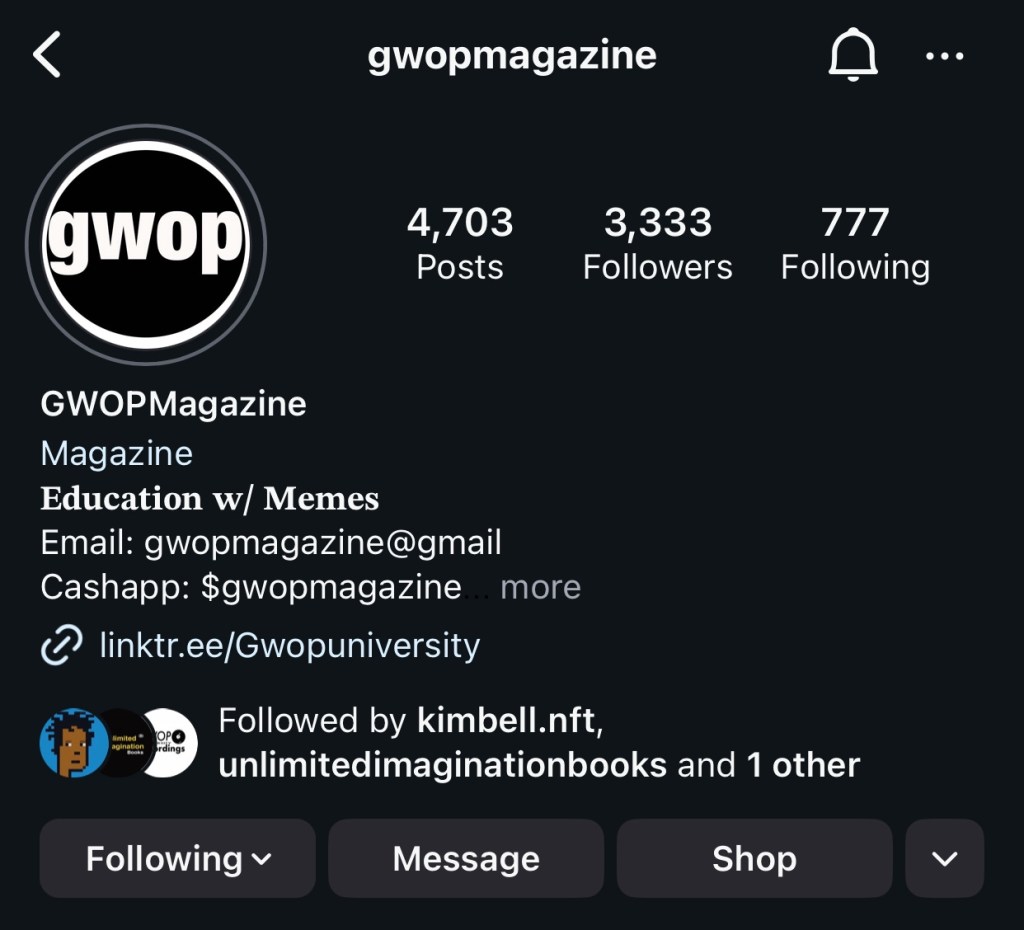
GWOP Magazine is a non traditional magazine. We are completely digital. We educate with memes, reels , music and art on every social media platform daily. 🗞️
Discover GWOP University brand merchandise at Amazon

**Please note that this post may contain affiliate links, and if you make a purchase through these links, I may earn a small commission at no extra cost to you. Your support helps me continue providing valuable content. Thank you!”
 GWOP MAGAZINE